
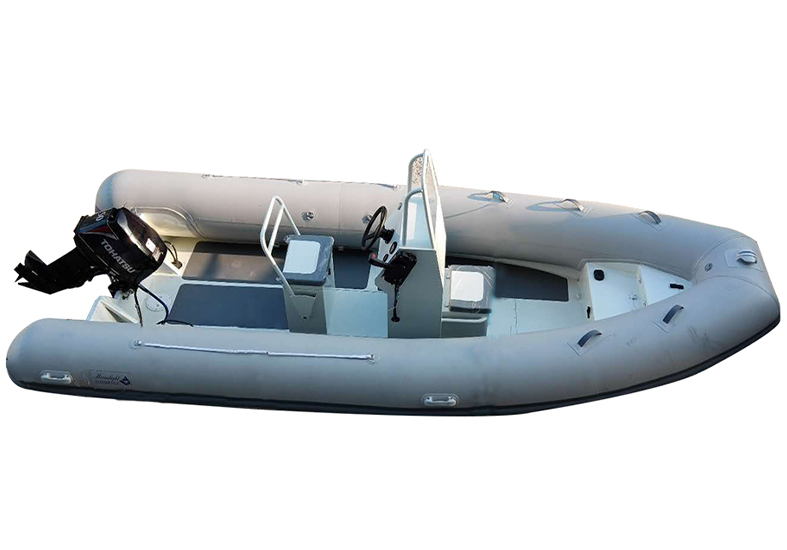
How to Winterize Inflatable Boat Fleets: The Ultimate 2026 Commercial Storage Guide
Protecting your commercial watercraft investment from extreme cold, moisture, and sub-zero temperature swings requires a strategic approach. When you look to winterize inflatable boat fleets, implementing proper maintenance protocols minimizes offseason degradation and ensures your equipment is 100% ready for the spring launch[cite: 1]. Freezing conditions, moisture retention, salt residues, and severe temperature cycling can cause catastrophic damage to high-pressure valves, bonded seams, and core fabrics. This guide delivers actionable, factory-grade storage methodologies for water sports rental centers, resort fleets, and commercial distributors.
The Material Science: Why Professional Winterization Matters
Commercial inflatables are predominantly manufactured from specialized multi-layer PVC or premium Hypalon/Neoprene synthetic rubbers. Unlike basic recreational pool toys, these commercial-grade materials are engineered to resist punctures and intense UV radiation. However, structural adhesives and polymer coatings remain vulnerable to frost-wedging—where trapped water freezes, expands, and forces glued seams apart. Understanding how to properly winterize inflatable boat inventories is critical to extending fabric life and eliminating preventable offseason repair overheads.
Asset Protection: Adhering to professional winterization checklists guarantees a prolonged lifecycle for fleet inflatables.
Step 1: Deep Decontamination and Material Inspection
Before moving any watercraft into long-term warehousing, executing a meticulous cleaning routine is mandatory. Dirt, dried algae, salt crusts, and organic bird droppings accelerate fabric aging, cause permanent structural staining, and foster destructive mildew colonies over the winter months[cite: 1].
Freshwater Rinse & Specialized Marine Wash
Thoroughly scrub the entire hull and tubes using clean fresh water and a mild, bio-degradable boat cleaner formulated specifically for your fabric type (PVC vs. Hypalon). Avoid harsh solvent-based detergents or bleach, which can dissolve vital seam coatings.
Critical Seam and Valve Audits
While washing, carefully inspect high-stress areas including D-rings, grab handles, rub strakes, and pressure valves. Look for micro-tears or lifting edges. Catching and repairing these minor tracking flaws in the autumn prevents structural failures during winter storage contraction.
Step 2: Proactive Hardware and Puncture Repairs
Never store a compromised boat. Patch all punctures and reseal weak seam interfaces while the fabric is completely clean, dry, and in a climate-controlled setting. Ensure you utilize commercial adhesives matched exactly to your material specification (polyurethane-based PVC glue for PVC fabrics; contact adhesives for Hypalon).
Replace any corroded transom fittings, worn tie-down straps, or damaged floorboards immediately. Once repairs dry, run a high-pressure test and apply a concentrated soapy-water solution across all valves and seams to guarantee 100% airtight integrity before moving to the next storage phase.
Step 3: Storage Configuration — Inflated vs. Deflated
When preparing to winterize inflatable boat units, facility directors can choose between two factory-approved storage configurations depending on available real estate:
Method A: Partial Indoor Inflation (Recommended)
If you manage a dry, well-ventilated warehouse, keeping the tubes partially inflated is the gold standard. Drop the pressure slightly below summer operational thresholds to allow for cold-weather air contraction. This preserves the tube’s natural molded shape, prevents seam stress, and eliminates permanent fabric creasing.
Method B: Loose Deflation and Rolling
If storage space is restricted, ensure the craft is 100% bone-dry. Roll the tubes loosely according to the manufacturer’s structural folding lines. Avoid creating tight, sharp creases, and never fold the fabric along identical seam lines year after year. Pack the loosely rolled hull into a heavy-duty, breathable canvas bag. Avoid sealed plastic wrappers or airtight storage boxes that trap moisture and encourage rot.
Step 4: Mechanical, Outboard Engine, and System Winterization
If your commercial inflatable integrates a marine outboard motor or complex electrical grid, system-wide stabilization is paramount to prevent interior corrosion:
- Engine Flushing and Fogging: Thoroughly flush the raw-water cooling arrays with fresh water to remove salt crystallization. Fog the interior cylinders to provide long-term internal anti-corrosion barriers.
- Fuel System Stabilization: Add professional-grade marine fuel stabilizers to the tanks and run the engine for 10 minutes to circulate treatment throughout the injectors, or drain the fuel system completely.
- Electrical Isolation: Extract all marine batteries, clean the terminals, and place them in a temperate, dry room on automated smart maintenance trickle chargers.
- Gear and Electronics Extraction: Remove sensitive asset electronics, VHF radios, sonar modules, safety flares, cushions, and lifejackets. Store them in a climate-controlled secure locker.
Commercial Fleet Winterization Checklist Matrix
Incorporate this structured operational layout into your facility’s seasonal maintenance workflow:
| Phase | Required Maintenance Action | Commercial Protection Objective |
|---|---|---|
| Phase 1: Clean | Freshwater scrub and total dry cycle | Stops biological fabric aging and offseason mold |
| Phase 2: Repair | Patch punctures and apply valve grease | Eliminates slow atmospheric leaks prior to freezing |
| Phase 3: Store | Partial pressure indoor rack or loose roll | Prevents severe rail seam stretching and frost-wedging |
| Phase 4: Cover | Apply custom fitted, breathable marine covers | Blocks condensation, dust accumulation, and pests |
Conclusion: Sourcing Heavy-Duty Fleet Inflatables Built to Last
Learning how to correctly winterize inflatable boat fleets protects your company’s long-term financial health and keeps operational margins high. While standard storage hygiene is incredibly powerful, the baseline survival capability of any inflatable watercraft hinges directly on the initial caliber of its manufacturing construction. Thin materials and poorly glued consumer seams face frequent failures under intense thermal fluctuations. For global brands, retail operations, and high-volume rental procurers, building an enduring fleet starts with importing robust watercraft from an industrial-grade SUP production facility that utilizes advanced multi-layer drop-stitch fabrics and high-precision thermal seam welding technologies.
Scale Your Commercial Operations with Industrial Inflatable Manufacturing
Looking for highly durable, travel-ready commercial inflatables and rigid stand-up paddle boards designed to survive severe seasonal storage and intense rental usage? We offer elite factory wholesale programs, robust private-label customization, and professional OEM/ODM engineering solutions.
Collaborate with an industry-leading manufacturing team. Access wholesale pricing and direct factory blueprints via the link above.